
Understanding Gold Mining: A Comprehensive Guide
4/1/20265 min read


Introduction to Gold Mining: Curiosity and Misconceptions
Gold mining is a captivating and complex field that has intrigued humanity for centuries. The allure of gold dates back to ancient civilizations that revered this precious metal for its beauty and value. Today, gold mining is not only an essential economic activity but also a source of cultural significance in many societies around the globe. However, despite its importance, there are numerous misconceptions surrounding the industry that can cloud public understanding.
One prevalent misconception is the perception that gold mining is solely driven by profit. While it is undeniable that economic benefits are a significant aspect, gold mining also plays a vital role in providing livelihoods for millions of people worldwide. From artisanal miners working on a small scale to large multinational corporations, the industry employs workers who rely on mining for their sustenance and economic stability.
Moreover, environmental concerns often overshadow discussions about gold mining. Many people assume that mining operations are inherently destructive and harmful to nature. While it is true that mining can have adverse environmental impacts, the industry has made substantial advancements in sustainable practices over the years. Modern mining techniques focus on minimizing harm and rehabilitating mining sites, enabling a more sustainable approach to extracting this valuable resource.
Additionally, the processes involved in extracting gold can be misunderstood. Factors such as the geological conditions, technology used, and economic context significantly influence how gold mining is conducted. These elements contribute to the complexity of the industry and often contribute to public misperceptions.
Understanding gold mining requires an open mind and a willingness to explore its multifaceted dimensions. By addressing common misconceptions, we can appreciate the intricate connections between gold mining, cultural values, and economic viability. This comprehensive guide aims to shed light on the fascinating world of gold mining, enhancing awareness and understanding of its significance.
The Key Stages of Gold Mining: Exploration, Extraction, and Refining
Gold mining is a complex process that involves several key stages, namely exploration, extraction, and refining. Each stage plays a critical role in the lifecycle of gold mining, ensuring that the entire process is efficient and cost-effective while minimizing environmental impacts.
The first stage is exploration, which entails a series of geological surveys conducted to identify potential gold deposits. Geologists use various tools and techniques such as satellite imagery, geological mapping, and soil sampling to gather data about prospective areas. This phase may take several months or even years, depending on the size of the area and the complexity of the geological structure. Successful exploration leads to the delineation of a resource that warrants the significant investment required for extraction.
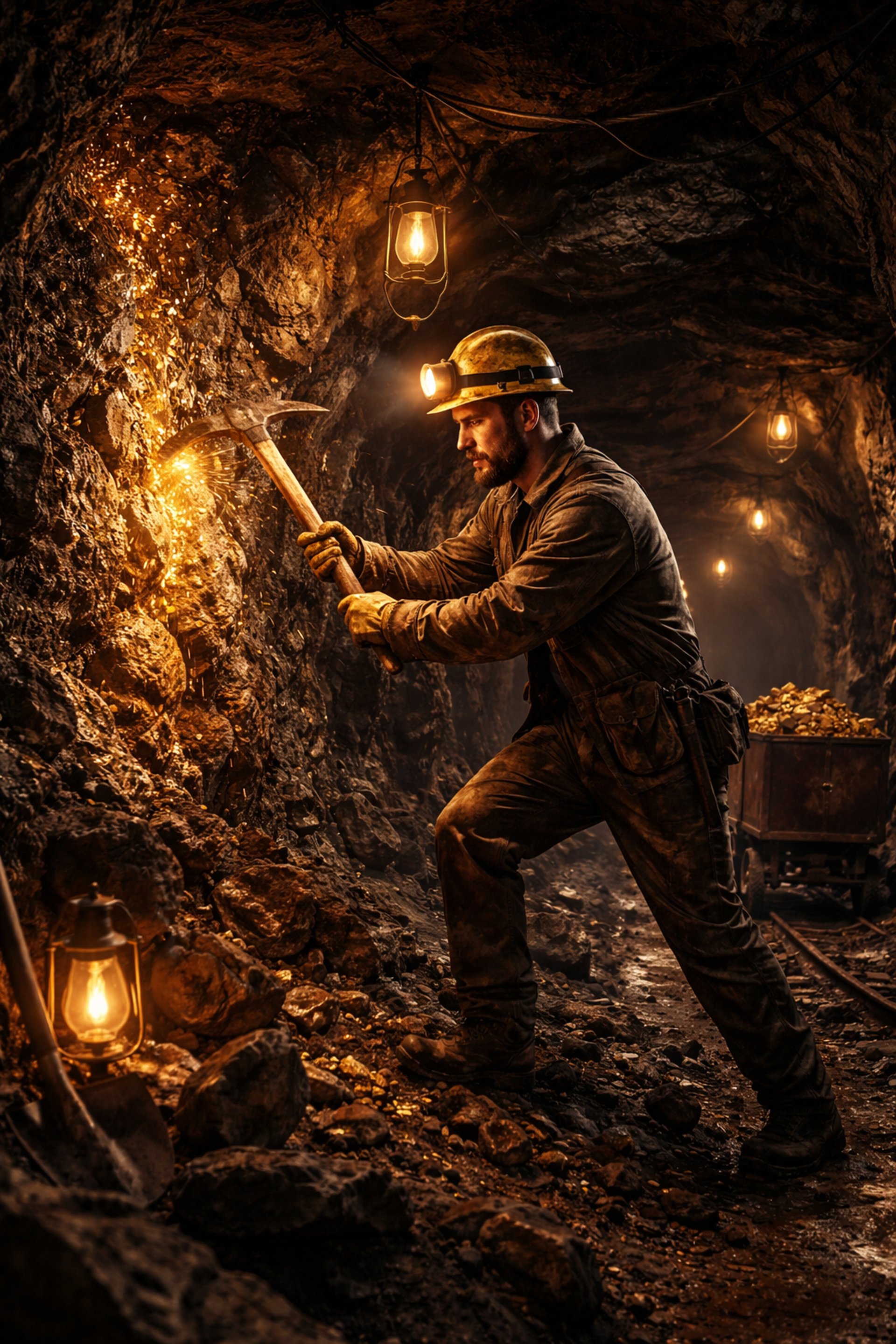
Once a viable gold deposit is identified, the next stage is extraction. This phase involves several methods, including open-pit mining, underground mining, and alluvial mining, each suited to different geological conditions. Open-pit mining, often employed for large, shallow deposits, involves removing layers of soil and rock to access the gold-bearing ore. In contrast, underground mining is used for deposits located deep below the surface and requires advanced technology and significant safety measures. Alluvial mining, which involves extracting gold from riverbeds and streams, is another method often utilized by artisanal miners.
Finally, the refining process converts raw gold ore into pure gold, making it suitable for sale and use in various applications. This process typically involves crushing the ore, followed by chemical treatments to separate gold from impurities. Important refining methods include smelting, which uses intense heat to extract precious metals, and the cyanidation process, which uses chemicals to allow for gold extraction from low-grade ores. Each of these stages is essential in transforming gold from a natural resource into a sellable product, contributing to the overall dynamics of the gold mining industry.
Methods of Gold Extraction: Safety and Sustainability in Mining
Gold extraction involves various methods, with the two predominant techniques being open-pit mining and underground mining. Open-pit mining is a surface mining technique where a large excavation is made in the ground to access the gold ore. This method is favored for its relatively low cost and efficiency, particularly when gold deposits are situated near the surface. However, it poses significant environmental concerns as the landscape is altered drastically, leading to habitat destruction and potential soil and water contamination.
Conversely, underground mining involves creating tunnels or shafts to reach deeper gold reserves. This method is typically more costly and poses greater safety risks to miners due to the potential for collapses and toxic gas exposure. Nevertheless, it minimizes surface disruption, making it a preferred choice when gold deposits are located far below the surface, thereby reducing the overall environmental impact.
As the gold mining industry continues to evolve, safety practices remain a top priority. Modern mines are implementing more rigorous safety protocols to protect the health and wellbeing of workers. This includes regular safety training, use of personal protective equipment, and real-time monitoring of hazardous conditions within the mines.
Moreover, sustainable mining practices are gaining traction as the industry recognizes the importance of minimizing environmental harm. Techniques such as using less toxic materials for gold extraction and reclaiming mined land for ecological restoration are becoming increasingly commonplace. For instance, some companies are adopting methods that recycle water used in mining processes, thus reducing the overall water consumption and mitigating the impact on local ecosystems.
In summary, the methods of gold extraction, particularly open-pit and underground mining, are not only critical in determining the efficiency of operations but also significantly impact safety and sustainability in the mining industry. The ongoing balance between resource extraction and environmental stewardship is vital for the future of gold mining.
Gold Processing Plants in Uganda
Gold mining in Uganda has seen significant growth over the past few years, driven by the increasing demand for gold and the country’s rich deposits of the mineral. At the heart of this burgeoning industry are gold processing plants, which play a crucial role in the extraction and refinement of gold. These facilities utilize various technologies and methods to separate gold from its ore, ensuring that the final product meets both local and international standards.
One prominent method used in the gold processing plants in Uganda is gravity separation. This technique harnesses the natural weight of gold, which is heavier than most other minerals present in the ore. The process begins with crushing and milling the ore to liberate the gold particles. Subsequently, the crushed material is treated using jigs or sluices that separate gold based on density. This method is popular in Uganda due to its efficiency and lower environmental impact compared to chemical methods.
In addition to gravity separation, some plants employ cyanidation, a chemical process that dissolves gold from ore using cyanide solutions. Although this method is highly effective in recovering gold, it requires strict environmental controls to mitigate potential hazards associated with cyanide use. As a result, several processing facilities in Uganda are investing in technology aimed at reducing the environmental footprint of cyanidation through enhanced containment measures.
Gold processing plants not only contribute to the extraction of gold but also create job opportunities and stimulate local economies. By employing local workers and sourcing materials from within Uganda, these plants play an essential role in developing the country's gold industry. Moreover, they serve as critical hubs for technology transfer and skill acquisition, enabling local experts to gain invaluable experience in modern mining practices.
Contact
Reach out for expert gold services
Email & number
© 2026 Labs. All rights reserved. | Privacy Policy | Terms of Service | Designed by Bum Launch




Our Products


Our Services


Gold Ore
Gold Nuggets
Gold Dust
Gold Bars