
Why Gold Prices Are Moving This Week: Understanding Market Movements
7/27/20267 min read

Introduction to Gold Prices
Gold prices play a crucial role in the global financial landscape, reflecting economic stability, inflation levels, and market confidence. As a traditional safe haven asset, gold tends to attract investment during times of uncertainty, influencing its price movements significantly. Various factors affect gold prices, including geopolitical events, currency fluctuations, and changes in interest rates. Understanding these dynamics is essential for investors and the general public as fluctuations in gold prices can have wide-reaching implications for portfolios, purchasing power, and broader economic health.
One of the primary drivers of gold price movements is the demand for gold in various sectors, including jewelry, technology, and investment. For instance, heightened demand for gold jewelry during festivals or increased interest in gold-backed financial products can create upward pressure on prices. Additionally, market sentiment, driven by economic indicators such as employment rates and inflation statistics, influences how investors view gold as a store of value during turbulent times.
Furthermore, changes in interest rates set by central banks can also lead to significant shifts in gold prices. When rates rise, the opportunity cost of holding gold increases, as it does not provide interest or dividends, potentially leading to reduced demand. Conversely, low or decreasing interest rates often spur more investment in gold as consumers seek alternative stores of value in the face of rising inflation and decreasing real yields on bonds.
For investors, understanding gold price trends is vital for making informed decisions in a diversified portfolio strategy. While the general public may not trade in gold directly, price movements can influence purchasing behaviors and long-term economic planning, making it essential to keep an eye on these trends. Knowledge of the factors affecting gold prices allows not only for better investment strategies but also for a clearer understanding of the economic environment at large.
Current Economic Indicators
The fluctuation of gold prices throughout any given week is often attributed to various economic indicators, which reflect the health of the economy and influence investor sentiment toward safe-haven assets like gold. Among the key indicators that warrant attention are inflation rates, interest rates, and unemployment figures. Each of these factors plays a significant role in shaping the market's perception of gold as an investment.
Inflation rates are critical as they indicate the purchasing power of currency. High inflation generally leads to a decline in the currency's value, prompting investors to seek refuge in gold, which is typically viewed as a hedge against inflation. When inflation rates increase, the demand for gold often rises, driving prices upward. Recent trends show that inflation has been slightly above expected levels, causing many investors to reconsider their positions in fiat currencies.
Furthermore, interest rates greatly influence the attractiveness of gold. When central banks decide to lower interest rates, the opportunity cost of holding gold, which does not yield interest, diminishes. Conversely, rising interest rates make gold relatively less appealing, as fixed-income assets begin to offer better returns. Therefore, any changes in interest rates, especially those signaled by central banks, are likely to affect gold prices significantly.
Lastly, unemployment figures provide insight into the overall economic stability. High unemployment can lead to decreased consumer spending and heightened economic uncertainty, often driving investors toward gold in times of distress. Recent statistics indicate a slight uptick in unemployment rates, which may suggest a cooling economy, further influencing gold's attractiveness during these uncertain times.
Geopolitical Events Impacting Gold Prices
The gold market is often influenced by a variety of geopolitical factors that can alter investor sentiment and impact prices significantly. In recent days, several key events have unfolded that may have important ramifications for the gold market. Understanding these geopolitical events is crucial for investors and stakeholders watching gold prices.
One pivotal factor currently is the ongoing conflict in Eastern Europe, particularly involving military tensions that have escalated recently. The volatility resulting from these confrontations tends to drive investors towards gold, a historically safe-haven asset. As uncertainty grows and risk aversion heightens among investors, demand for gold typically increases, often leading to upward pressure on gold prices.
Furthermore, trade agreements and negotiations can also play a role in shaping gold prices. Recently, discussions surrounding trade deals between major economies have arisen, stirring concerns over potential tariffs and trade barriers. Such developments can lead to currency fluctuations, particularly in the U.S. dollar, which inversely affects gold prices. A weaker dollar generally sees an uptick in gold prices as it becomes cheaper for international buyers.
Additionally, political instability in various regions—including South America and the Middle East—has emerged as a significant event of concern. Protests, economic sanctions, and governmental changes create an environment of unpredictability, prompting gold to shine as a refuge for those seeking stability amidst turmoil.
In conclusion, geopolitical events such as military conflicts, trade negotiations, and political instability are critical components influencing the movement of gold prices worldwide. These factors operate dynamically, making it essential for market participants to stay informed and responsive to the ever-changing geopolitical landscape that underpins gold investments.
Market Sentiment and Investor Behavior
The fluctuations in gold prices are significantly influenced by market sentiment and investor behavior, two critical factors that can drive demand for this precious metal. In times of economic uncertainty or geopolitical turmoil, investors often turn to gold as a safe-haven asset. This behavior is rooted in the historical perception of gold as a store of value, particularly during periods of market volatility. As tensions rise—be it through inflation concerns, currency fluctuations, or political instability—demand for gold typically increases, leading to higher prices.
Recent observations have shown a noticeable shift in investor behavior towards gold investment, particularly in light of recent global events that have prompted concerns over the stability of traditional financial markets. Factors such as rising interest rates, inflationary pressures, and uncertainties surrounding fiscal policies have further encouraged investors to diversify their portfolios by including gold. This trend not only reflects a protective strategy against potential losses in other investments, but also signifies a broader acceptance of gold as a vital component in wealth preservation.
Public sentiment plays an essential role in influencing gold prices as well. Social media, financial news coverage, and market analyses can all sway investor outlook. For example, a surge in online discussions about the merits of holding gold—especially during times of economic distress—can create a ripple effect where more investors subsequently consider gold as an attractive option. These collective shifts in sentiment can lead to significant price movements, as the heightened interest can result in increased buying pressure.
As we continue to witness the interaction between market sentiment and gold prices, it is crucial to understand how these factors can lead to both short-term spikes and longer-term trends in the gold market. Monitoring investor behavior and public sentiment will remain essential for those looking to navigate and anticipate future gold price movements effectively.
Technical Analysis of Gold Prices
The technical analysis of gold prices is a critical aspect that helps traders and investors understand the market dynamics. By employing various analytical tools and methodologies, market participants can identify trends, support and resistance levels, and chart patterns, all of which play a crucial role in predicting future price movements.
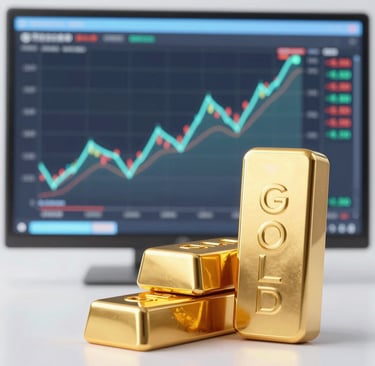
Currently, gold has been displaying a bullish trend characterized by higher highs and higher lows. This upward momentum may be attributed to various factors, including geopolitical tensions and inflationary pressures that drive investors toward safe-haven assets. Furthermore, the relative strength index (RSI), a commonly used indicator in technical analysis, suggests that gold prices may still have room to appreciate, although an overbought signal could imply a correction is on the horizon.
Support and resistance levels form the backbone of technical analysis, providing essential insights on potential price action. In recent sessions, gold has shown robust support around the $1,800 level, which has held firm despite market fluctuations. Conversely, resistance is evident at the $1,850 mark, where selling pressure has historically increased. Understanding these levels helps traders make informed decisions, as a break above the resistance could trigger further bullish sentiment.
Additionally, chart patterns such as triangles, flags, or head and shoulders can indicate forthcoming price movements. Presently, the formation of an ascending triangle suggests that buyers are increasingly willing to pay higher prices, indicating potential continuation of the upward trend. As market conditions evolve, careful observation of these technical indicators is vital for stakeholders looking to capitalize on gold price movements.
Comparison with Other Commodities
The movement of gold prices is often closely watched, as they can provide valuable insights into the broader commodity market and economic conditions. Key commodities such as silver and oil frequently illustrate parallel trends with gold, and a thorough comparison can shed light on how these relationships function.
Gold and silver are often categorized as precious metals, and their prices tend to exhibit a strong correlation. Both metals are utilized as safe-haven assets during times of economic uncertainty. When investors perceive risk in the market, they typically increase their holdings in these assets, causing prices to rise. The ratio of gold to silver prices can also indicate market sentiment; for instance, an increasing ratio might suggest that investors favor gold over silver due to perceived stability, while a decreasing ratio may imply a preference for silver due to its industrial applications.
On the other hand, oil prices have a more complex impact on gold. Gold is traditionally considered a hedge against inflation, which can be influenced by fluctuations in oil prices. Significant increases in oil prices can lead to rising inflationary pressures, stimulating demand for gold as a safeguard against a depreciating currency. Conversely, if oil prices drop, it might strengthen the US dollar, which could put downward pressure on gold prices.
The interplay between gold, silver, and oil is significant because shifts in one commodity often lead to reactions in others. For example, geopolitical tensions that raise oil prices may lead investors to flock to gold, causing its prices to rise. Additionally, economic releases, such as employment data or interest rate changes, can affect expectations for all three commodities. Understanding these dynamics is essential for predicting gold price movements and making informed investment decisions regarding these precious and industrial metals.
Conclusion: What to Expect Next
As we analyze the fluctuations in gold prices this week, it becomes evident that a complex interplay of various factors continues to shape the market. Investors and stakeholders should closely monitor economic indicators, geopolitical developments, and changes in monetary policy, as these elements are pivotal in influencing gold prices. Given the current trends, predictions suggest that gold may experience heightened volatility in the coming weeks.
One of the significant influences on gold pricing is the strength of the U.S. dollar. A stronger dollar typically dampens demand for gold, as the asset becomes more expensive for investors using other currencies. Conversely, if the dollar weakens, we could see a resurgence in gold purchase activity as a hedge against inflation and currency devaluation. Therefore, fluctuations in the currency market will be key to watching as we move forward.
Additionally, global economic uncertainty serves as a critical backdrop for gold prices. The potential for upcoming geopolitical tensions or further economic disruptions could lead investors back to the safety of gold, supporting its price. Stakeholders should remain cognizant of any news that could affect market sentiment, as rapid shifts in public perception can lead to substantial price adjustments.
In summary, while gold prices are influenced by a myriad of factors, the upcoming weeks could bring both challenges and opportunities for investors. By maintaining a vigilant stance on market developments and adjusting their strategies accordingly, investors can better navigate the anticipated fluctuations in gold prices. Continuous monitoring of shifts in economic fundamentals and global events will be crucial as we look ahead to understand how the gold market will evolve.

Contact
Reach out for expert gold services
Email & number
© 2026 Labs. All rights reserved. | Privacy Policy | Terms of Service | Designed by Bum Launch




Our Products


Our Services


Gold Ore
Gold Nuggets
Gold Dust
Gold Bars