
The Dual Role of Gold Mining in Developing Regions
FINANCE
3/18/20262 min read


Introduction to Gold Mining's Impact
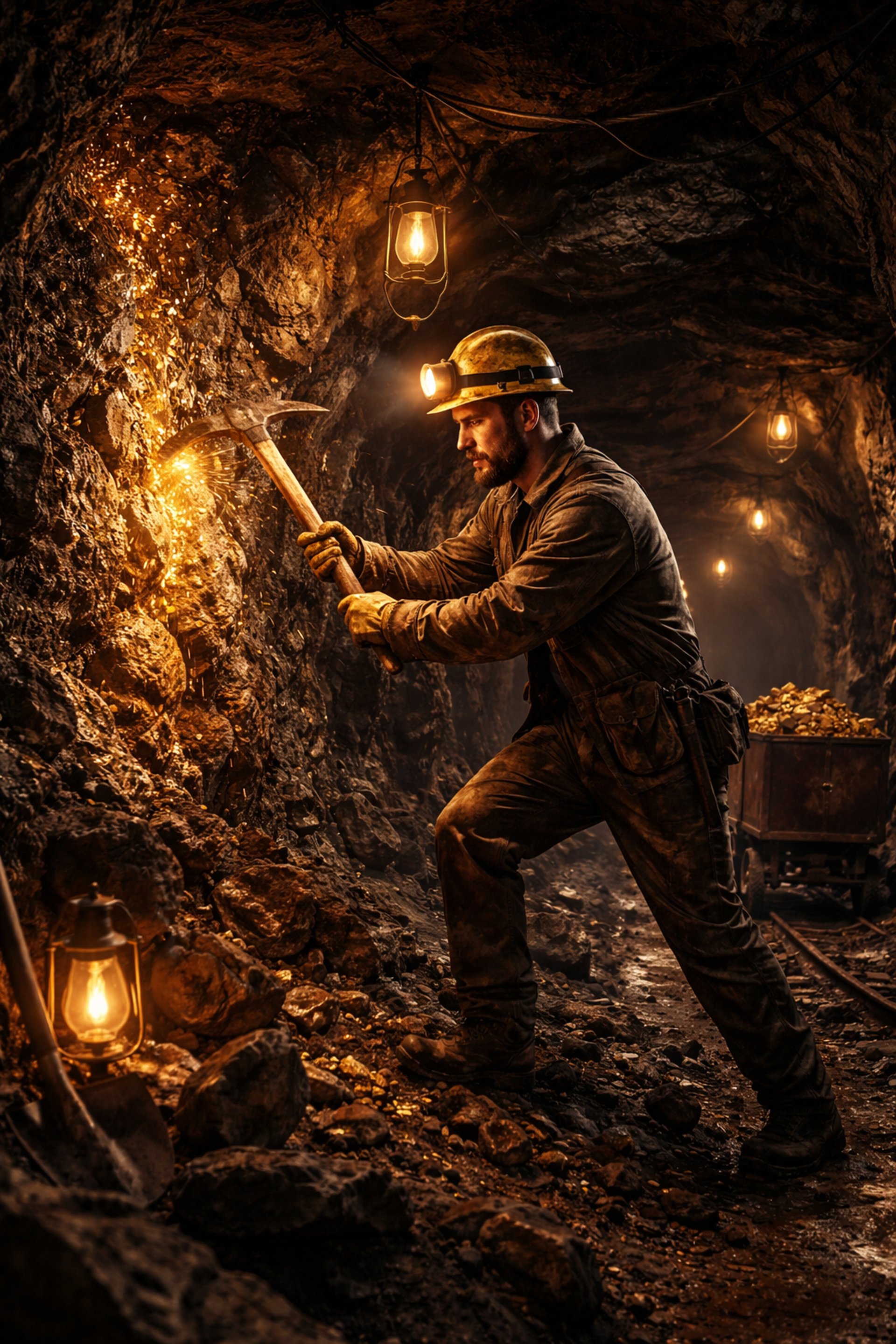
Gold mining plays a significant role in shaping the economies of developing regions, offering numerous opportunities and challenges. This article explores how the industry contributes to job creation, attracts foreign investment, and generates government revenue, while also shedding light on the environmental issues and economic uncertainties it can bring.
Job Creation and Economic Opportunities
In many rural communities, gold mining serves as a pivotal source of employment. The industry generates jobs directly within the mines and indirectly by establishing support services such as food supply, transportation, and local retail establishments. This boost in employment not only increases household incomes but also contributes to the overall economic development of these areas. Furthermore, local businesses often thrive in tandem with mining operations, as increased income leads to heightened consumer demand.
Foreign Investment and Infrastructure Development
Foreign direct investment (FDI) in the gold mining sector significantly impacts local economies. By attracting international companies, developing regions can gain access to capital, technology, and expertise not readily available domestically. This influx of investment often leads to infrastructure development, including the construction of roads, schools, and energy facilities. Such advancements not only facilitate mining activities but also benefit communities through improved transport and access to services.
Government Revenue and Environmental Concerns
Gold mining also plays a critical role in generating government revenue through taxes, royalties, and export earnings. This revenue provides governments with funds to invest in public services, further enhancing the quality of life for local populations. However, the challenges associated with gold mining must not be overlooked. Environmental degradation, land destruction, and water pollution are significant concerns. Mining activities can lead to long-term ecological consequences, affecting agriculture and clean water supplies essential for sustainability.
The Balancing Act
Striking a balance between economic growth and sustainable practices is crucial for ensuring that gold mining contributes positively to developing regions. While the potential for economic advancement is substantial, it is vital that local governments and communities prioritize the management of environmental impacts. Doing so not only safeguards the natural resources but also promotes a healthier economy in the long term.
Conclusion
In summary, gold mining represents a complex mix of opportunity and risk for developing regions. By understanding the dual roles of the industry in job creation, foreign investment, government revenue, and the accompanying environmental challenges, stakeholders can work towards leveraging the benefits while mitigating the adverse impacts associated with this vital sector.
Contact
Reach out for expert gold services
Email & number
© 2026 Labs. All rights reserved. | Privacy Policy | Terms of Service | Designed by Bum Launch




Our Products


Our Services


Gold Ore
Gold Nuggets
Gold Dust
Gold Bars